
Special Resources
Looking to improve your craft? Check out these additional offerings.
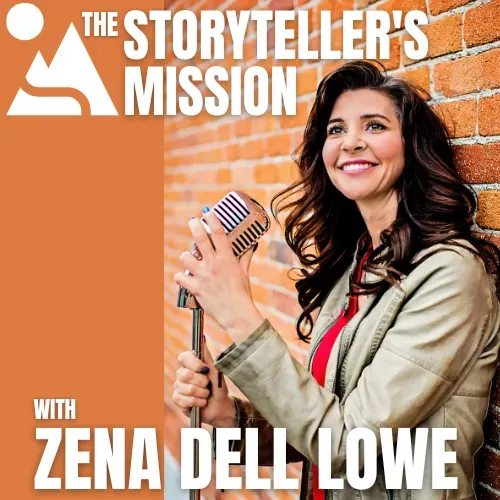
PODCAST
An essential podcast for artists and storytellers about changing the world for the better through story. New episodes available each Thursday on YouTube or the podcast app of your choice.

TUTORIAL
Ever wanted to be a screenwriter but don't have a clue how to succeed? Learn the secret to getting your script past the gatekeepers and into the hands of actual decision-makers in this FREE video tutorial.

BLOG
Zena Dell Lowe's articles are regularly featured on award-winning blog sites such as, "The Write Conversation." Find all of her articles in one, easy-to-navigate place, and transform your writing today.

CONSULTATION
Got questions? Need help on your project? Schedule a FREE 30-minute strategy session with Zena Dell Lowe to get personalized feedback about what steps you should take next.

The Storyteller's Mission Blog
Your one stop shop for writing resources, articles, and tips from Zena Dell Lowe.
COMING SOON!
Thank you for your patience.
We are in the process of migrating our platform over from Kajabi to Go High Level. As you can imagine, this process takes time, especially when you have four year's worth of articles to transfer over. We are working hard to get everything moved as quickly as possible. In the meantime, sign up for our monthly digest email to get new writing tips from Zena FREE each month.

Unlocking the Power of Character Arcs: Your Guide to Crafting Compelling Stories
One of the fundamental aspects of storytelling that makes our tales truly captivating is the character arc. Every story is a personal crucible. This crucible is where the main character sheds their flaws, confronts their wounds, and ultimately steps into (or shies away from) the heroic shoes they were always destined to fill. No matter the outward pursuit or goal (the plot), what we’re really interested in is how your main character changes internally over time. But how do you show character growth and change effectively?
1. Establish the Character's Need from the Get-Go
To illustrate character growth, you must unveil the character's need early on. This differs from their want, which materializes after the inciting incident. The want defines their goal—the driving force behind their actions. This is the plot, as your character relentlessly pursues their goal over the course of the story. However, the need is something deeper, something soul-searching. The need is the core issue they must confront deep within themselves. Whether it aligns with their want or not, revealing the character's need early on is crucial. It's like planting seeds that will grow throughout your story, providing a glimpse into what truly drives your character's actions.
2. Focus on One Primary Issue
As human beings, we all have our fair share of flaws and wounds. But for your main character, it's essential to identify one primary issue to overcome. Sure, this issue might affect various aspects of their life, but at its core, it's a single root problem. Take "About Schmidt" as an example. Schmidt wants his life to have meaning, but what he needs is to become a better person. He starts as a selfish, self-absorbed individual, unworthy of the reward he seeks. But over the course of the narrative, events conspire to make Schmidt’s transformation possible. As soon as he changes at the core level and becomes a decent person, Schmidt’s life finally matters, which is what he wanted all along. The magic happens when you intertwine the want and the need, making them work in harmony to achieve the character's goal.
3. Whoever Changes the Most is the Main Character
A conundrum that baffles many storytellers is determining the main character, especially in ensemble pieces with a multitude of characters. Here's a simple rule: whoever undergoes the most profound change is your main character. But tread carefully here. Hollywood sometimes confuses changing characterization with true character transformation. Take Luke Skywalker and Han Solo, for instance. Luke's characterization shifts from a bored farmhand to a Jedi Knight, but his core remains unchanged. In contrast, Han Solo's transformation is remarkable; he evolves from a self-serving smuggler to a selfless hero, a shift that resonates deeply with us. True character change is the magnetic force that draws us into your character’s journey.
4. Believable Growth: Slow and Steady Wins the Race
Character growth must be believable and incremental. Sudden, inexplicable transformations can derail your story's credibility. Take Ebenezer Scrooge as an example. His transformation from a miser to a benevolent soul is convincing because it's a slow, step-by-step process. Each encounter with the ghosts chips away at his icy exterior, and we buy into his eventual redemption.
Every story, at its core, revolves around a character's inner, emotional journey. This journey is designed to nudge them along a path of transformation. It's about providing the right mix of outward conflicts and challenges that will gradually mold them into the person they were always meant to be. Whether they succeed or stumble, our audience needs to believe in this evolution and feel emotionally satisfied when the tale concludes.
5. Make Every Story Element Part of the Character's Arc
The key is to make everything in your story, from plot twists to character interactions, contribute to the main character's internal emotional arc. There’s no moment wasted. There's no "plot vs. character" debate because they are intrinsically linked. The character's inner journey unfolds because of the external journey they embark on. These pivotal moments in the plot serve as stepping stones for their transformation, and that's what keeps us glued to the story.
Final Thoughts
Crafting compelling character arcs is the secret sauce that breathes life into your stories. Remember these five key principles: establish the character's need, keep it focused, let the one who changes the most shine, ensure believability through gradual growth, and weave every story element into the character's emotional journey.


© 2026 The Storyteller's Mission


General Inquiry
Privacy Policy
Earnings Disclaimer
Store