
Special Resources
Looking to improve your craft? Check out these additional offerings.
PODCAST
An essential podcast for artists and storytellers about changing the world for the better through story. New episodes available each Thursday on YouTube or the podcast app of your choice.
TUTORIAL
Ever wanted to be a screenwriter but don't have a clue how to succeed? Learn the secret to getting your script past the gatekeepers and into the hands of actual decision-makers in this FREE video tutorial.

BLOG
Zena Dell Lowe's articles are regularly featured on award-winning blog sites such as, "The Write Conversation." Find all of her articles in one, easy-to-navigate place, and transform your writing today.

CONSULTATION
Got questions? Need help on your project? Schedule a FREE 30-minute strategy session with Zena Dell Lowe to get personalized feedback about what steps you should take next.

The Storyteller's Mission Blog
Your one stop shop for writing resources, articles, and tips from Zena Dell Lowe.
COMING SOON!
Thank you for your patience.
We are in the process of migrating our platform over from Kajabi to Go High Level. As you can imagine, this process takes time, especially when you have four year's worth of articles to transfer over. We are working hard to get everything moved as quickly as possible. In the meantime, sign up for our monthly digest email to get new writing tips from Zena FREE each month.
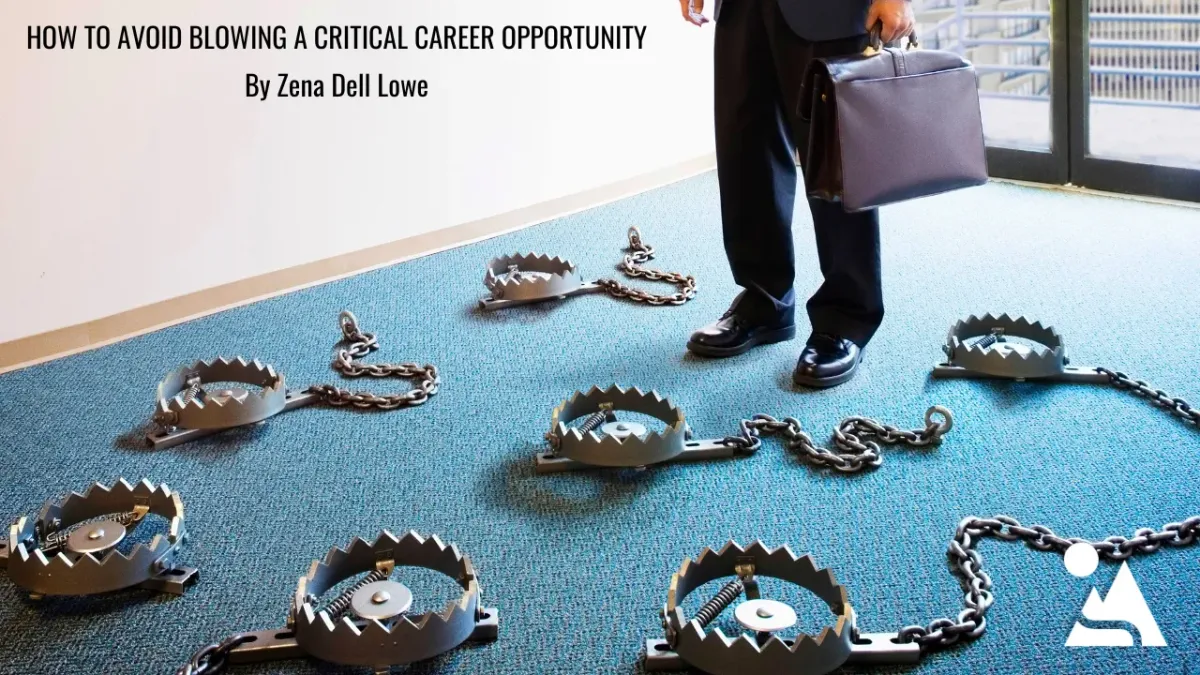
HOW TO AVOID BLOWING A CRITICAL CAREER OPPORTUNITY
I recently had one of my former coaching clients reach out to ask for some advice. He’s a seasoned author who is new to the world of screenwriting, and he’d just finished his first ever screenplay. Well, the story concept generated immediate interest from a high-level industry exec, who asked to see the script right away. Opportunities like this don’t come along every day. So, naturally, my client was eager to send it off, but (wisely) asked for my advice first.
In case you ever find yourself in a similar situation, here are a few critical things to remember.
1. There are no points awarded for speed. All that matters is that it’s good.
In the case of my former client, I could tell he was chomping at the bit for me to give my go ahead. Instead, I recommended he hold off. For one thing, he hadn’t received any feedback on the draft yet. No one besides himself had read his project. Now, it’s all very well and good for you to be confident in your writing. But the fact is, we’re all too close to the forest to see the trees. That’s why we need first readers.
So, the first thing I told him was that he needed to submit the finished script to his “first readers.” By that, I mean a small group of people, say, 3-5 people total, who will read your draft and give you detailed feedback. You need to know what works and what doesn’t, and what plot holes need to be fixed. And I guarantee, there will be things that need to be fixed! Now, maybe it won’t be a lot of things. The more you write, the better you get, and the fewer issues will be found after you complete your first draft. Even so, the point is that you need to make sure your project is really ready to be put in front of some exec, which means you must wait to get feedback from your first readers first.
2. Decision makers are willing to wait – provided the project is excellent.
We have this idea that if we don’t jump on an opportunity like this right away, that it will dry up and we’ll miss the chance, forever. But the truth is, anyone who expressed interest in the concept initially will still be interested a month or two or even four or six down the road. In fact, they’d much prefer to wait if it means the quality of the end product will be better.
As I already mentioned, there’s no advantage to submitting a script prematurely. Handing over a sub-par project will only blow a critical opportunity. And while I’m guessing you agree with me that this would indeed be the wise course of action, I can guarantee that when the critical opportunity happens to you, you’ll be torn over the decision.
3. Beware of FOMO.
It’s always tempting to send something ASAP whenever someone “high up” expresses interest in your work. This is especially true when that someone is from Hollywood, which carries that extra feeling of “magic.” Plus, the people in Hollywood always seem to give off the impression that they’re going places fast. They trigger that sense of urgency – “send it to me NOW - things are happening NOW - this is a ONCE IN A LIFETIME opportunity RIGHT NOW!” All you can think is that you must act NOW, and if you don’t, it’ll be too late.
This gut-wrenching, panic-inducing, anxiety-stimulating experience is called FOMO (the fear of missing out), and even the most psychologically savvy of us is susceptible. This is because it triggers the “lizard” brain, that part of the brain hard-wired to ensure our survival. As soon as those fear neurons start firing, it becomes very difficult for our rational minds to stay in control. And this is when we often make mistakes.
4. Train yourself to wait.
A key principle that will help protect you from FOMO is this:
Make it a habit to wait a few days before responding to ANY high-pressure or time-sensitive opportunity.
The minute you feel pressured or anxious or obligated to decide NOW, that’s when you force yourself to wait. Just wait. Give it three days. By then, your rational mind will have regained control and you can make a decision free from the bonds of fear.
Oh, and by the way, don’t hesitate to apply this same principle to your personal relationships. We can often feel cajoled or guilted into doing things by our family or friends that we don’t, in fact, want to do. Ever wonder how you ended up in that same situation yet again!? Dollars to donuts, you committed yourself prematurely, and therefore felt “stuck” on the follow through. This principle can be handy in ALL of your relationships, not just your professional ones.


© 2026 The Storyteller's Mission


General Inquiry
Privacy Policy
Earnings Disclaimer
Store