
Special Resources
Looking to improve your craft? Check out these additional offerings.
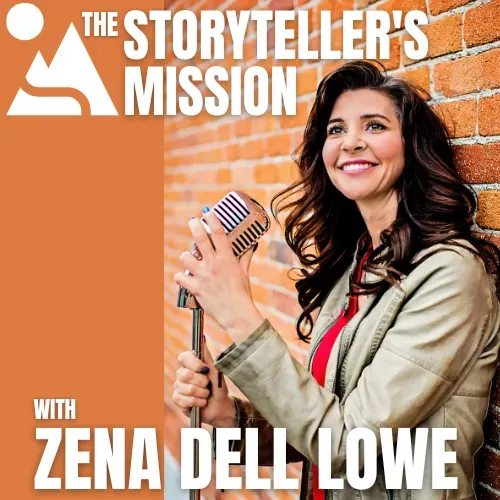
PODCAST
An essential podcast for artists and storytellers about changing the world for the better through story. New episodes available each Thursday on YouTube or the podcast app of your choice.
TUTORIAL
Ever wanted to be a screenwriter but don't have a clue how to succeed? Learn the secret to getting your script past the gatekeepers and into the hands of actual decision-makers in this FREE video tutorial.

BLOG
Zena Dell Lowe's articles are regularly featured on award-winning blog sites such as, "The Write Conversation." Find all of her articles in one, easy-to-navigate place, and transform your writing today.

CONSULTATION
Got questions? Need help on your project? Schedule a FREE 30-minute strategy session with Zena Dell Lowe to get personalized feedback about what steps you should take next.

The Storyteller's Mission Blog
Your one stop shop for writing resources, articles, and tips from Zena Dell Lowe.
COMING SOON!
Thank you for your patience.
We are in the process of migrating our platform over from Kajabi to Go High Level. As you can imagine, this process takes time, especially when you have four year's worth of articles to transfer over. We are working hard to get everything moved as quickly as possible. In the meantime, sign up for our monthly digest email to get new writing tips from Zena FREE each month.
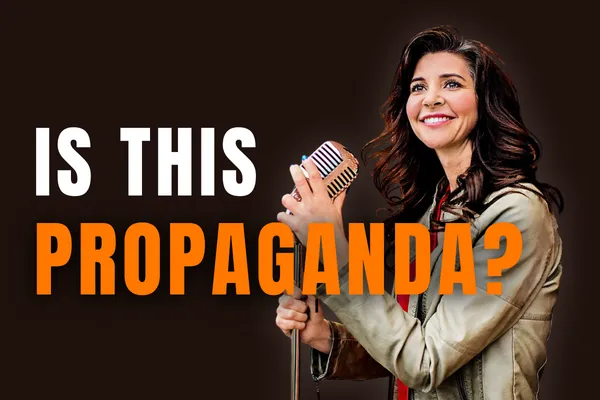
S6_E03. Writers: Are You Telling the Truth — Or Writing Propaganda?
Propaganda is not simply lying. Some of the most effective propaganda in history has been factually accurate. The difference isn’t in whether the events happened — it’s in how they’re framed.
In this episode of The Storyteller’s Mission, we examine the line between truthful storytelling and narrative manipulation — and why that line matters more than ever in a post-trust culture.
When institutions that once tested truth begin to fail, storytellers inherit cultural authority. Story no longer just entertains. It forms conscience. It trains moral intuition. It shapes how audiences recognize justice, authority, and truth itself.
We explore:
The difference between a witness and an advocate in storytelling
How propaganda forms through preloaded moral conclusions
Why factually accurate stories can still manipulate
The warning signs that your characters have become ideological mouthpieces
How flattening the opposition destroys narrative integrity
Why emotional payoff can replace discovery
The moral responsibility of writers in an epistemological crisis
For novelists, screenwriters, filmmakers, and Christian or worldview-driven writers, this episode addresses a crucial craft question:
Are you revealing reality — or recruiting for a cause?
Because when storytellers stop witnessing reality and begin prosecuting it, culture doesn’t gain clarity. It gains distortion.
Truthful storytelling trusts reality to speak for itself. Propaganda cannot risk that.
If you care about writing stories that endure, that preserve moral cause and effect, and that honor human complexity without collapsing into ideology, this conversation is foundational.
Seven Deadly Plot Points FREE TRAINING VIDEO!
Free Video Tutorial for Screenwriting
Sign up for The Storyteller's Digest, my exclusive bi-monthly newsletter for writers and storytellers. Each edition delivers an insightful article or practical writing tip straight from me, designed to help you master your craft and tell compelling stories.
The Storyteller's Mission Podcast is now on YouTube. You can watch your favorite podcast as well as listen. Subscribe to our channel and never miss a new episode or announcement.
Watch this episode on YouTube:
Contact us for anything else!


© 2026 The Storyteller's Mission


General Inquiry
Privacy Policy
Earnings Disclaimer
Store